Home - About ASHS

About the Association of Scottish Hardwood Sawmillers
ASHS is a cooperative of small and medium sized businesses, supplying Scottish hardwood and premium softwood timber & timber products to the UK market place.
Our co-operative is made up of sawmills, timber extractors, sellers & merchants, and other timber processors - all Scotland based small and medium-sized businesses working with homegrown timber.
ASHS also hosts an associate membership of aligned trades and professionals - including furniture makers, foresters, tree surgeons, oak framers, architects, land owners, and others involved in - or passionate about - the small-scale, homegrown timber industry.
ASHS objectives:
To promote and increase marketplace awareness of locally grown, sustainably sourced timber - especially hardwoods
To bring back the culture of sourcing locally grown timber and timber products from your local small sawmill
To represent and support small Scottish timber businesses
To encourage and facilitate co-operation across the industry
Promoting and increasing marketplace awareness of locally grown, sustainably sourced timber
Many people are not aware that Scotland produces hardwoods of quality and character, suitable for building, furniture-making, and craft applications.
Lack of awareness means that Scottish hardwoods are often overlooked in project specifications, and customers may not know that they can source furniture, flooring, or craft and building materials from locally grown wood.
In ASHS, we seek to raise the profile of the beautiful, high quality, homegrown hardwoods that Scotland has to offer.
Revitalising the culture of sourcing locally grown timber from local sawmills
Connecting to local timber
Traditionally, communities would have turned to local sawmills for their timber needs. Builders, craftspeople, and furniture makers would naturally source timber from nearby mills, creating a close connection between woodland management, timber processing, and finished products. This approach supported skilled local jobs, kept value within the local economy, and fostered a closer connection to the timber itself.
For many people today, these benefits of sourcing local timber have been largely lost. Much of the public lacks an understanding of the role sawmills play in the timber supply chain, what services they provide, and who can access them.
ASHS seeks to raise awareness of sawmills’ accessibility and viability as suppliers to both the public and trade, helping to reconnect communities, businesses, and craftspeople with locally grown timber and the skilled people who process it.
Sustainability of buying local timber
Supporting local timber also promotes sustainable forestry. By choosing homegrown wood, customers encourage active woodland management and the maintenance of diverse hardwood forests. Local sourcing reduces the environmental impact associated with imported timber, and helps ensure that Scottish woodlands continue to provide biodiversity, landscape amenity, and a renewable source of high-quality timber for the future.

Find your closest ASHS sawmills and timber processors, and what products and services they offer.
Representing and supporting small Scottish timber businesses
As a cooperative, ASHS offers support, training and networking to our members. ASHS encourages knowledge-sharing across our community and connects businesses and individuals who share a passion for working with homegrown timber.
If you’re part of a sawmill or timber processing business and are interested in joining ASHS, get in touch.
Encouraging and facilitating co-operation across the industry
ASHS encourages collaboration across Scotland’s timber sector, connecting sawmills, woodland owners, foresters, furniture makers, architects, and other allied trades. By working together - from woodland creation to final specification - the industry can better manage and grow Scotland’s hardwood and broadleaf woodlands, promoting sustainable forestry practises while supporting local economies.
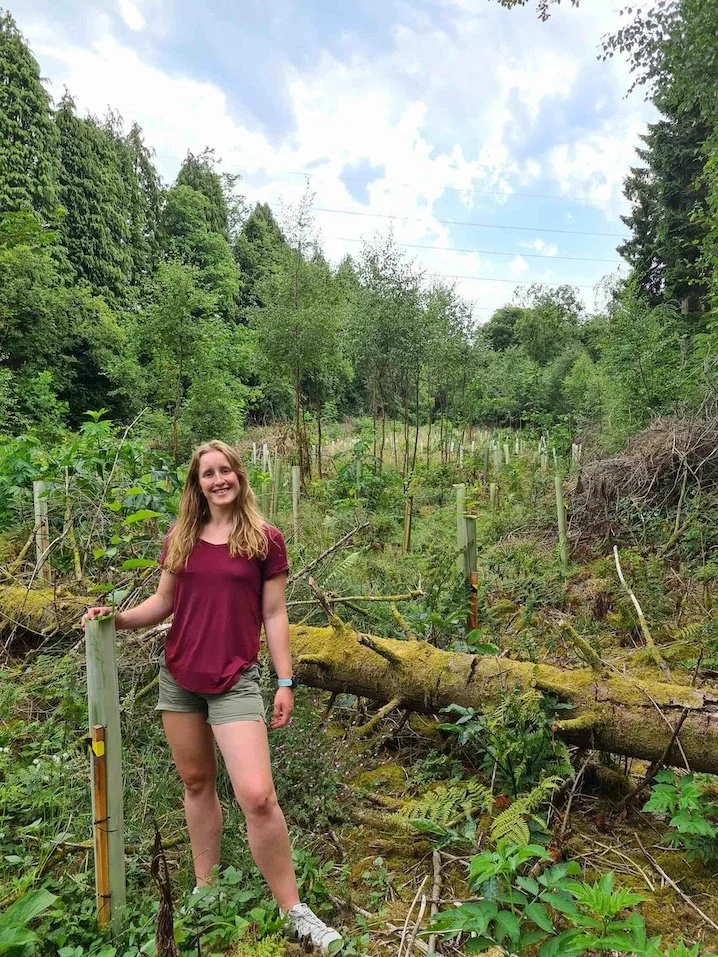
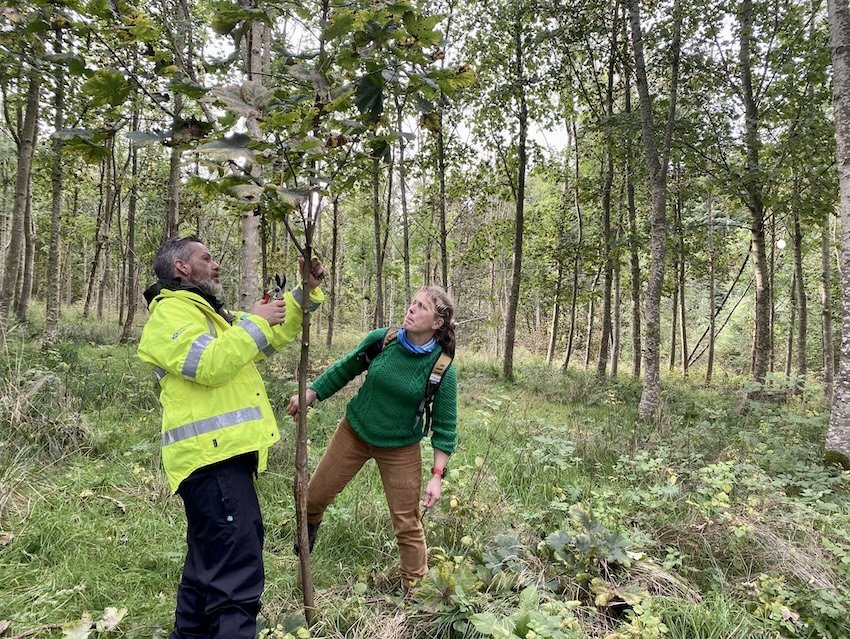
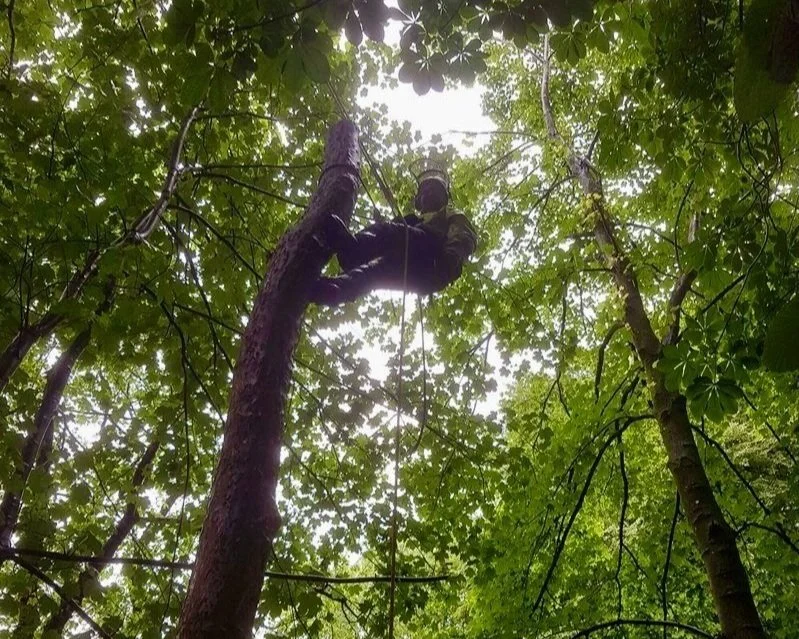
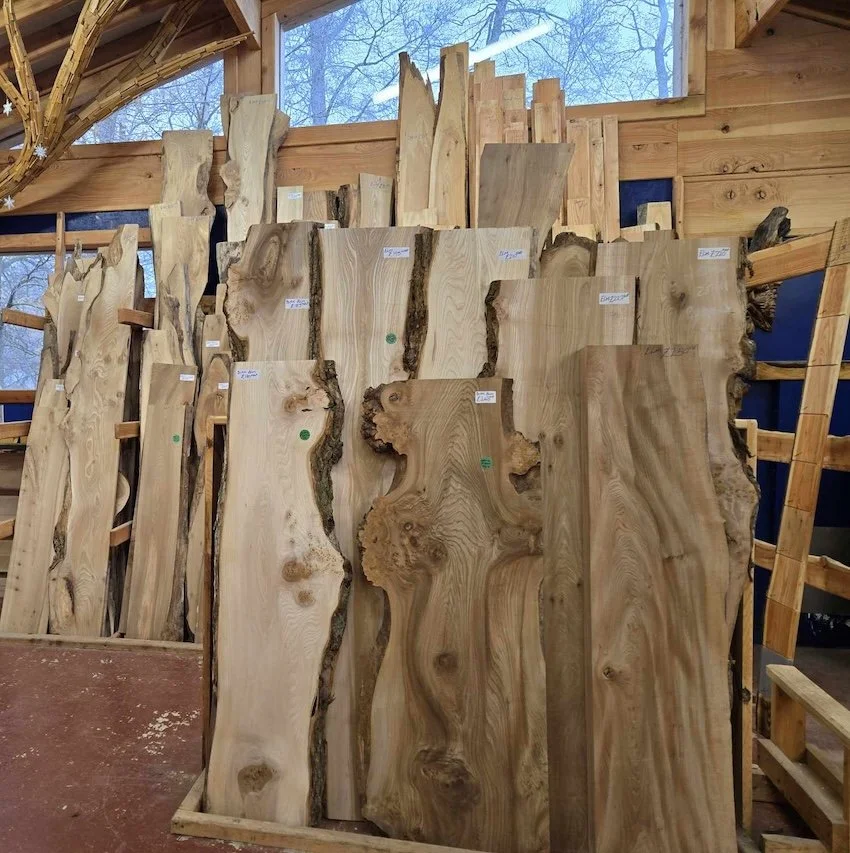
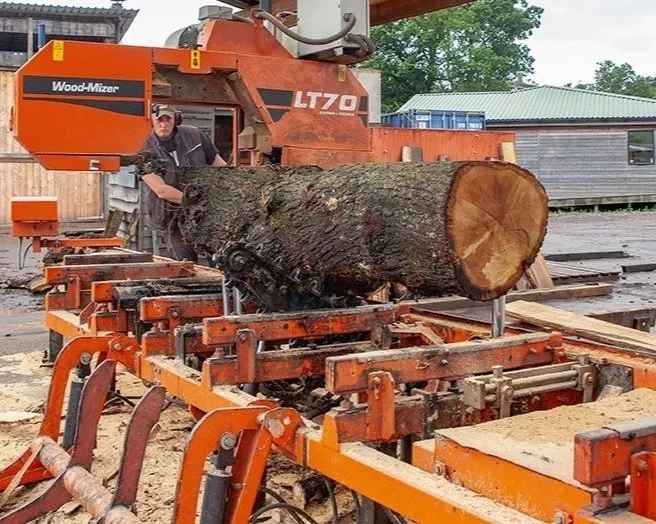
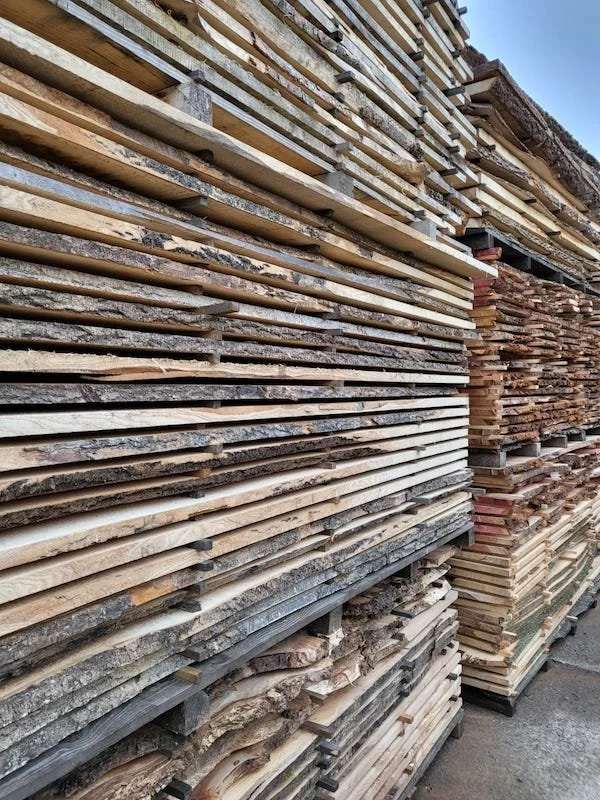
A strong market for Scottish hardwoods creates incentives for responsible woodland management, encourages biodiversity, and helps ensure timber remains a renewable, locally available resource. Collaboration across the supply chain also strengthens skills, creates jobs, and reduces reliance on imported timber.
By facilitating cooperation, ASHS helps the sector work collectively to unlock the full potential of Scotland’s homegrown timber, benefiting both the environment and the communities that depend on it.
The History of ASHS
A History of Hardwoods in Scotland
Scotland once had a thriving hardwood industry. Locally grown hardwoods were widely used in the mining and ship building sectors, where they were essential for pit props, dunnage, and bearers.
But as heavy industry declined across Scotland, demand for homegrown hardwoods fell sharply. At the same time, the UK’s traditional furniture making sector was being reshaped by imported flat-pack products and mass production. This further undermined the hardwood demand and with it the infrastructure and culture that had supported Scotland’s small-scale timber industry.
By the 1990s, Scotland’s hardwood resource was being dramatically undervalued. An estimated 90% of the country’s hardwoods was either underutilised or wasted. Of the highest quality timbers that did reach the market, most were exported as low-value round logs - with all the value-adding processing happening elsewhere.
Ironically, Scotland was simultaneously importing over £100 million worth of hardwoods and hardwood products each year - including material that may once have left its shores as raw timber.
It was within this climate - of lost value, declining markets, and overlooked local potential - that ASHS was formed.
Founding ASHS
ASHS was created by a small group of sawmillers who sought to revitalise the small-scale sawmilling industry. They realised that by working together and building a wider cooperative of like-minded businesses, they could grow and strengthen the sector, amplifying their ability to support local timber, promote sustainable practices, and benefit Scotland’s woodlands, economy, and environment.
In this spirit, a handful of sawmillers came together in the late 1990s to explore what could be done. With support from Scottish Forestry (then the Scottish Forestry Commission), ASHS was officially established.
We have since grown from six members to over 100, and the trend of low utilisation and low-value exports is now being reversed.
Looking Ahead
There is still plenty of room for growth and new members. We envision a return to the model seen in much of Europe and Scandinavia, where almost every community has a local sawmill, and sourcing timber locally is part of the culture.
ASHS continues to champion small-scale Scottish hardwoods, helping members and communities build a sustainable, resilient, and thriving industry for the future.
Find your local supplier of quality Scottish timber